In Top Gun, Goose dies, and Maverick blames himself.
His best friend. His brother.
Maverick is the best pilot in the program, and he falls apart. He can’t finish his exercises. He falls behind. He’s in danger of not graduating.
So Jester goes to see Viper, the head of Top Gun and a former pilot himself. Jester’s report on Maverick comes down to three words: he won’t engage.
He’s checked out. And we know from the opening scene with Cougar what that means for a pilot. You can lose your wings.
Fear. Guilt. Self-doubt. No confidence. What do you do with a pilot like that?
Viper’s answer:
“Keep sending him up.”
Going Back Up
Here’s my version.
I was cruising along on my five-year plan as a screenwriter. In 2019 I sold Beatrice Clover, the story that later became my novel The Clover Experiment, to Blumhouse and developed it at ABC with John Ridley, the Academy Award–winning writer of 12 Years a Slave. In March 2020 I pitched it to HBO and Netflix. Then COVID hit and all that went away. From 2020 through 2024, I didn’t take anything out. I committed myself to being an author, and I treated it as a chance to work on my craft.
In addition to books, I kept writing scripts the whole time, but I never pitched them or sent the drafts around. Now I’m taking my first two pieces of original writing to market in years. I’m equal parts excitement and nerves.
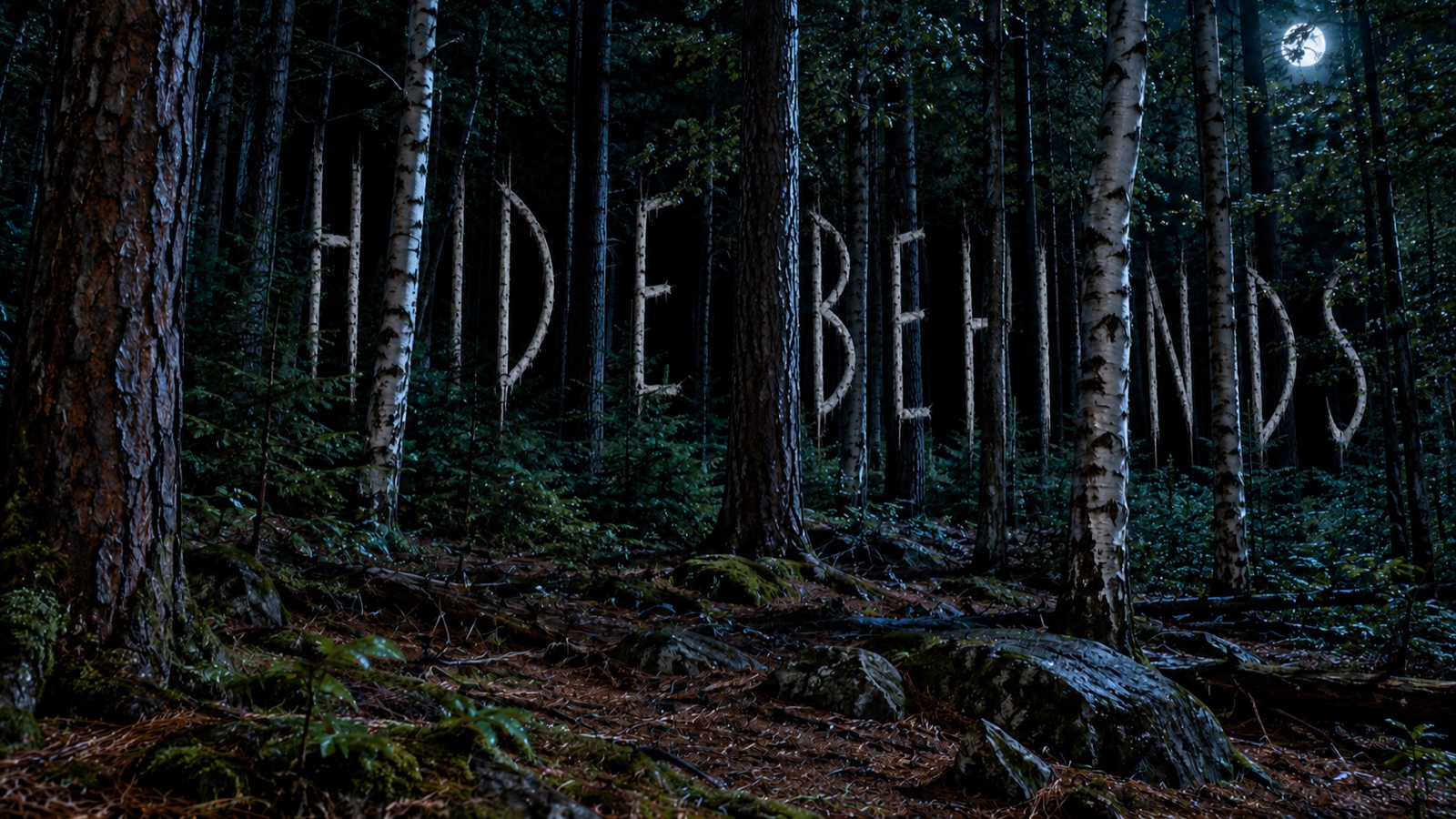
Hide Behinds is written as a $10–15 million horror movie. It’s inspired by a ghost story a counselor told me long ago at Camp Winaukee in New Hampshire, and that story is in the movie… with upgrades. It starts as a summer-camp Cropsey story, then turns into a psychological thriller about trauma that asks: what if the final girl had trauma?

Making It Easy to Say Yes
In show business, the name of the game is getting buyers to say yes. It’s sales. It’s just that we’re selling arguably one of the highest-priced items there is, and when you pitch or even write a script, you’re selling an idea of what a movie can become. For a writer, the biggest challenge is getting people to read your script. The next biggest is getting the people who read it to understand how you see it.
As I get ready to take out these scripts, I think about the time in my career when I was the buyer. As a network executive at AMC, I sat in a room all day and listened to dozens of pitches. Then I had to figure out which ones I liked best, explain them to colleagues and bosses who never heard them, and make the case to spend tens of millions of dollars and thousands of hours making them, never knowing if they’d work. It’s the ultimate bet. So I figure, why not be like the best gamblers in the world? What makes a good gambler? They reduce the risk and improve their odds with every hand they play, every bet they make. That’s my goal here: lower the risk for anyone reading my script and improve my odds, by helping people not only read it but see it.
So with Hide Behinds, I asked myself: what could I hand the person sitting in my old seat that would make their job easier?
Step one is a trailer. About 45 seconds, like an ad for a movie that doesn’t exist yet. I’m making it with AI production through my company, CanEl Studios.
Step two is closer to what the Coen brothers did. Before they made Blood Simple, they shot a trailer for it and showed it to investors to raise the money. I’m going to create a few scenes and cut a longer trailer, maybe a minute built from two or three of them, to go out with the script to directors, investors and the other people who can help get it made.
Then there’s the idea of an audio drama of the script, with different voices reading the parts. If you’re an LA exec, you live in your car.
Will any of this help? I don’t know.
Movies and TV are collaborative. The vision will change as other people come on. But everyone who attaches starts from the same place, and that place starts with the writer. The trailers aren’t what the finished film has to look like. They show how it feels. Hide Behinds is a mystery built to knock the audience a little off-kilter as the story unfolds, and it has a visual style to match.
Hollywood keeps changing. This is me adapting to it. And it puts my two worlds in one place: the writing and the AI production studio.
The other script, The Clover Experiment, is a TV pilot based on my novel. The draft is done, and I’m in edits. While I was writing it, a new story showed up. That’s Book 2, which I’m writing now. No title yet. It’s about the next generation. Julie Carpenter raised her niece and nephew, the twins Rebecca and Elijah. Now they’re grown up, and they have some questions about their mom. The past is not dead.
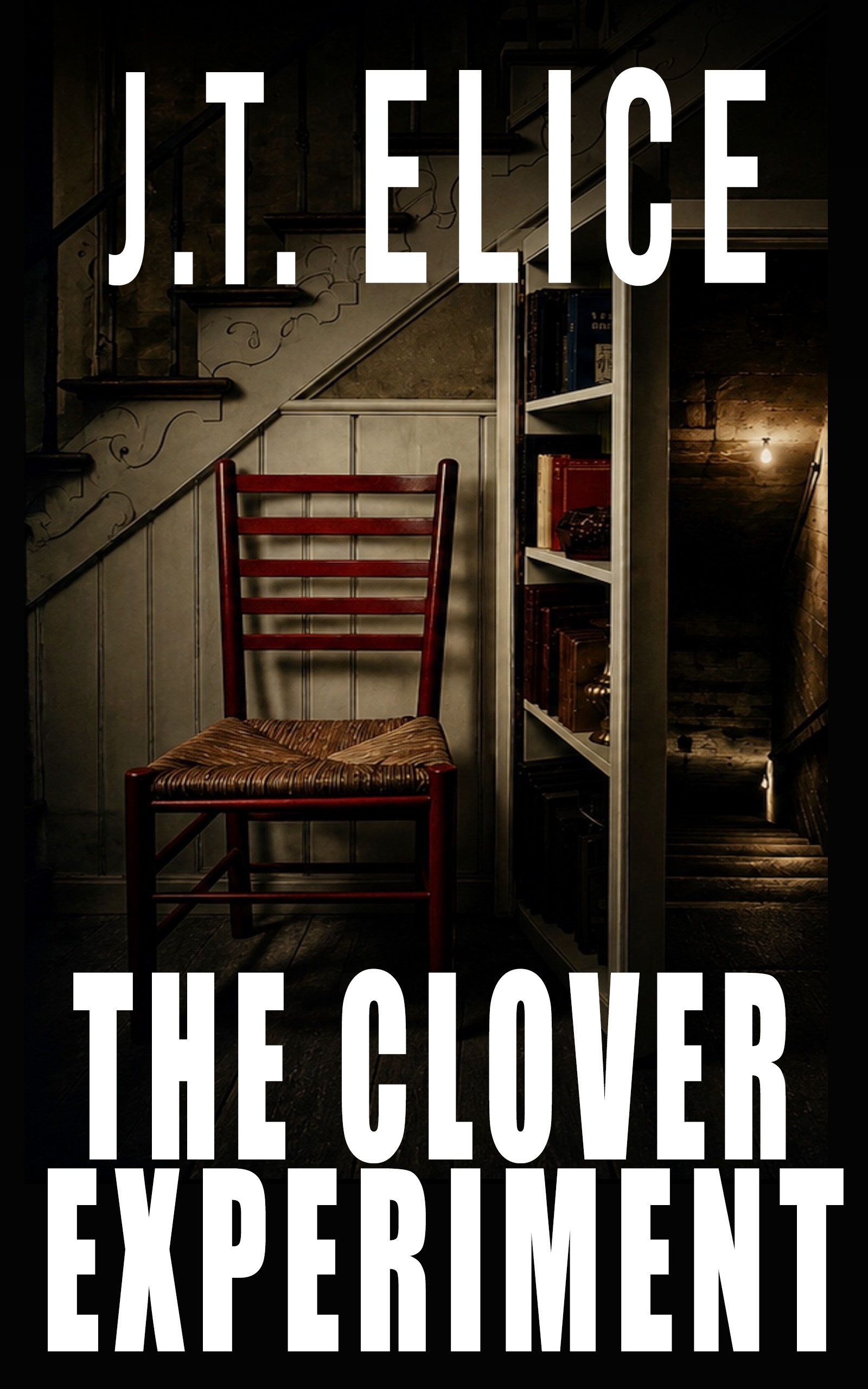
Haven’t read the first one? Start with The Clover Experiment. I published it as JT Elice.
I’m not giving up on either of these. I’m re-engaging.
Everybody has hard things to do. So tell me. When did you last have to re-engage with something that beat you the first time? The novel you didn’t finish. The better job you didn’t get, after which you stopped applying. The business you’re still building.
Write back.
Tom Skerritt, who played Viper, died last week at 93. May his memory be a blessing.
Also This Week
- Eddie Ankin. Book 6, The Shield, is out. So is the Books 1–6 box set.
P.S. Operation Showbiz, a free Eddie Ankin story, is waiting for you at eliceisland.com/showbiz.
Talk soon,
Jeremy