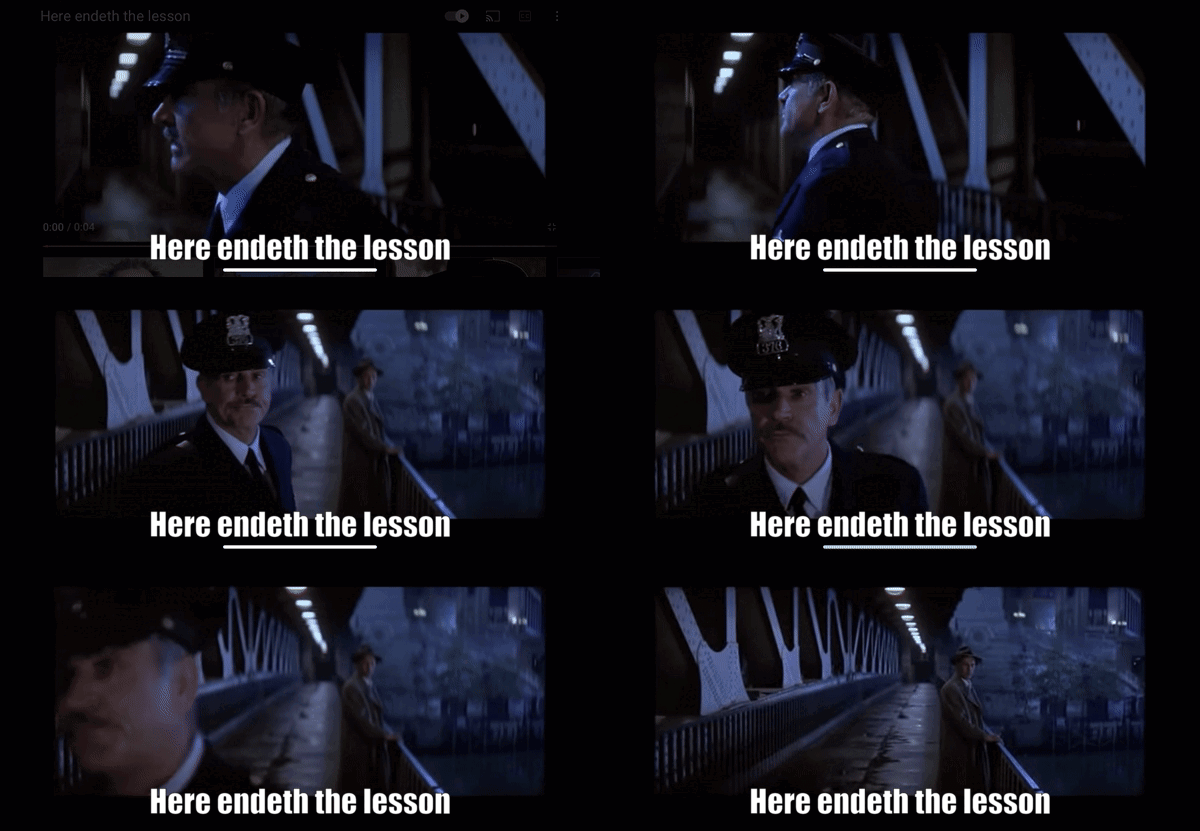
Walk into any restaurant and count how many families are sitting together but living apart—parents scrolling, kids gaming, grandparents invisible. We're experiencing the most connected yet disconnected generation in human history. Families that live in the same house but don't know each other's stories.
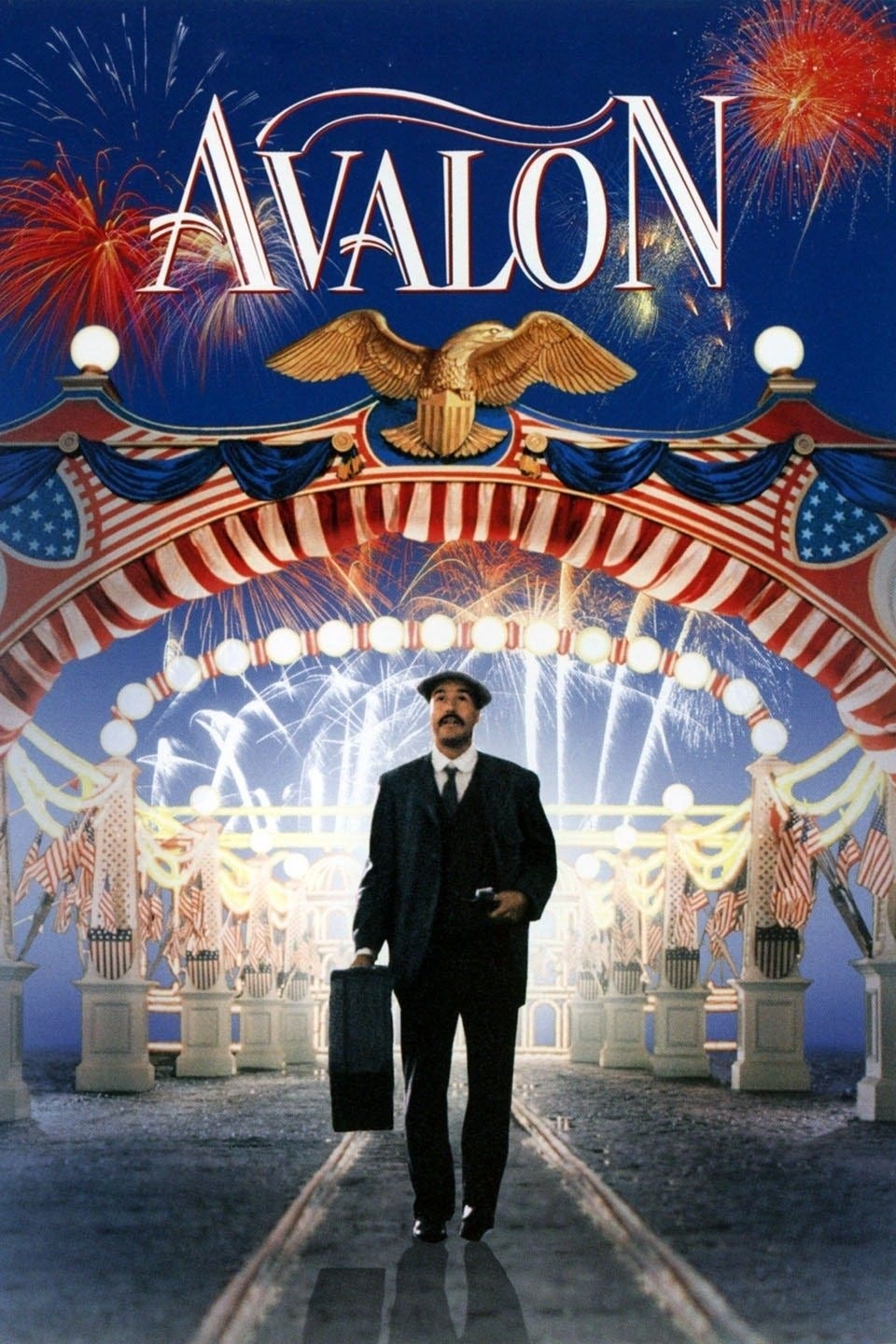
Barry Levinson's Avalon might be the most important American movie you've never seen. Or worse—the one you saw once and forgot about.
Every Fourth of July, I watch this beautiful film. Not because I'm sentimental (okay, maybe a little), but because the opening fifteen minutes capture everything good and right about America and family. Everything we're losing. It's a prophetic warning about what happens when we stop telling our stories, stop maintaining our traditions, and stop waiting for each other around the dinner table.
The way you heal the world is you start with your own family.
And Avalon shows us exactly how that's done—and what happens when we stop doing it.
🏠 The Traditions That Built Strong Families
Sunday Dinners and Sacred RhythmsThe opening of Avalon captures something we've almost entirely lost: families that operate as intentional communities. Around that massive dinner table on Thanksgiving, we see three generations gathered not by accident but by design. The children aren't there reluctantly; they're there expectantly, knowing they're about to hear stories that connect them to something larger than themselves.
This wasn't unique to the Krichinsky family. In the 1950s and earlier, families had rhythms. Sunday dinners weren't suggestions—they were obligations. Sacred ones. The kind that said: "Whatever else is happening in your life, this time belongs to us."
These rituals served multiple purposes. They created regular touch points for extended families. They established predictable times for storytelling and connection. Most importantly, they taught children that they were part of an ongoing story, not just isolated individuals.
🇺🇸 The consequences aren't just personal—they're civilizational.
When children grow up disconnected from their family's history, when they don't understand what was sacrificed on their behalf, when they can't grasp the struggles that built the world they inherited, they become susceptible to every destructive ideology that promises them meaning.
We see it in the streets. We see it on campuses. We see it in the growing number of young Americans who hate the very country that gave them everything.
This isn't a political problem—it's a memory problem.
The Art of Intergenerational Listening
What strikes me most about those opening scenes is how the children listen to their grandfather's stories. Not politely, not dutifully, but with genuine fascination. They ask questions. They laugh at the right moments. They're learning their place in the family narrative.
Armin Mueller-Stahl's character “Sam” doesn't just tell his immigration story once—he tells it repeatedly, each time adding new details, each time reinforcing the family's foundational myth. The children hear about Uncle William learning wallpaper hanging, about bringing over their father, about the move to Avalon.
📚 These stories become their stories.
This is how families created identity across generations. Not through lectures about values, but through repeated narratives that demonstrated those values in action. Children learned who they were by learning where they came from.
The Extended Family NetworkThe Krichinsky family represents something we've almost entirely abandoned: the multi-generational support system. Aunts and uncles aren't distant relatives you see once a year—they're daily presences in children's lives. Cousins grow up like siblings. Everyone has a role, everyone has a place, everyone belongs.
This wasn't just emotional security—it was practical insurance. When someone faced hardship, the family rallied. When children needed guidance, multiple adults were available. When stories needed preserving, multiple storytellers shared the responsibility.
Robert Putnam documented this collapse in Bowling Alone, showing how Americans increasingly live isolated from the social networks that once provided meaning and support. But the breakdown starts in families. When extended families scatter, when traditions die, when stories stop being told, everything else follows.
"You Cut the Turkey Without Me?"
🔥 The Lesson: Stories Create Identity, Rituals Preserve It
The most devastating moment in Avalon reveals exactly what we lose when efficiency replaces reverence. Uncle Gabriel, the oldest of the four brothers, arrives late to Thanksgiving dinner and discovers the turkey has already been carved, the family already eating.
"You cut the turkey... without me?"
It is a trivial incident, perhaps, but it symbolizes a much larger event, the cutting of the family’s close ties. For Gabriel, this isn't about food—it's about respect. It's about the understanding that some things are too important to rush. In the old world, cutting the turkey was a ritual that honored the eldest male, that acknowledged hierarchy and tradition, that said: "We wait for each other because we matter to each other."
But for his younger brother Sam, this represents the natural evolution of American life. His family has embraced modern scheduling, the demands of business, the pace of progress. They've adopted efficiency as a virtue without realizing what they're sacrificing.
This isn't about success being bad—it's about the unintended consequences of forgetting what success is supposed to serve.
We can achieve prosperity while maintaining connection. We can embrace American opportunity while honoring the traditions that made us who we are. The tragedy is that we often don't realize we're making this choice until it's too late.
🚨 The Cautionary Tale of Missed Communication
What makes Gabriel's story so heartbreaking is that he and Sam are talking past each other. Gabriel needs to feel respected, valued, remembered. Sam needs to show his family how far they've come, how much they've achieved. Both needs are legitimate, but neither man understands what the other is really saying.
This is the pattern that destroys families: assuming we know what matters to each other without actually listening. Gabriel withdraws not because he's selfish, but because he feels forgotten. Sam pushes forward not because he's callous, but because he believes progress requires leaving the past behind.
The tragedy is that both men lose.And the children lose the stories that would have connected them to their heritage.
This is what happens when children don't know what was sacrificed on their behalf.
🧑🧑🧒🧒 What We Abandoned and Why It Matters
The Death of Social CapitalRobert Putnam's Bowling Alone research reveals the staggering extent of our social isolation. Americans today belong to fewer organizations, know fewer neighbors, and gather less frequently with friends and family than any previous generation. We're experiencing a loneliness epidemic that starts in childhood and extends through old age.
But this isn't just about individual happiness—though that's important. Social capital is the foundation of democratic society. When people don't know their neighbors, don't trust their institutions, don't feel connected to their communities, democracy becomes impossible.
And it all starts with family. Families are the training ground for every other relationship. Children who grow up in families that prioritize connection, that maintain traditions, that tell stories, learn how to be part of something larger than themselves. Children who grow up in fragmented, isolated families struggle to form lasting connections anywhere.
When families stop telling their stories, when traditions die, when children grow up disconnected from their heritage, they become vulnerable to every toxic ideology that promises them meaning.
This is how you get young Americans supporting Hamas while living in the freest, most prosperous society in human history. This is how you get college students who hate their own country while enjoying privileges their great-grandparents could never have imagined. This is what happens when children don't know what was sacrificed on their behalf.
I'm not talking about blind patriotism or uncritical acceptance of everything America has done. I'm talking about basic historical literacy, about understanding the struggles and sacrifices that built the world we inherited.
When families fail to pass down these stories, when schools refuse to teach them, when the culture actively discourages them, we raise children who are strangers to their own inheritance.
Why This Matters to Me
My French father-in-law and Columbian mother-in-law like to say: “La familia es todo”—
“The family is everything.”
I believe that. I have my whole life.
I wrote my college entrance essay about the importance of family. Years later, I wrote a script called American Immigrant about two families—a Cuban family and a European Jewish family—inspired by my own family's experience and my wife's Colombian family's journey to America.
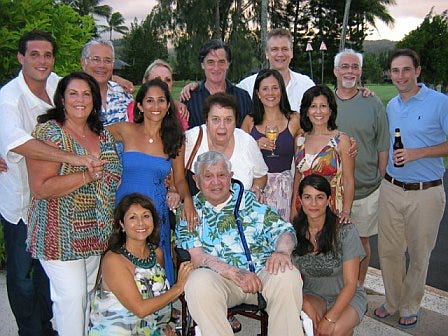
The series explored the tension between immigrant parents who carried the old world in their hearts and first-generation kids who wanted nothing more than to fit into the new one. This dynamic has always fascinated me because I've lived it, watched it, seen its consequences across generations.
What I learned writing that script is that the children who reject their parents' stories don't become free—they become lost. They don't escape the weight of family history; they lose the foundation it provides. And without that foundation, they're susceptible to every destructive force that promises them identity and meaning.
📺 The Television Prophecy
From Active Storytelling to Passive ConsumptionNear the end of Avalon, Levinson shows us the future: the younger generation sitting in front of a television, silent and separate. No conversation. No storytelling. No connection. Just passive consumption of manufactured entertainment.
He made this film in 1990, but he might as well have been describing 2024. Only then it was television that replaced dinner-table conversation. Then computers replaced television. These days it’s smartphones, which are more ubiquitous, and which have seemingly replaces everything. What we lost in that progression wasn't just family time—we lost the practice of turning experience into story, of transforming individual memory into collective inheritance.
Every family used to have its storytellers.
The uncle who served in the war. The grandmother who survived the Depression. The great-grandfather who came to America with nothing but hope and determination.
These stories weren't just entertainment—they taught values through example, courage through precedent, resilience through historical proof that "our people" had survived worse things than whatever we were currently facing. When we stopped telling these stories, we stopped being these people.
🎯 What We Can Still Save
The Memory You Manage to RecallThere's a beautiful paradox at the heart of Avalon: the movie itself is an act of remembrance. Levinson took his own family's immigration story and transformed it into art, into something that could be shared and preserved and passed down.
This is what we can still do.Of course, we can't return to 1950s extended families or three-generation households. But we can recover the practice of intentional storytelling. We can insist on family rituals that prioritize connection over convenience. We can teach our children that they are part of something larger than themselves.
Starting with Sunday DinnerThe solution doesn't require dramatic lifestyle changes. It starts with something as simple as insisting on regular family meals without phones. Creating space for conversation. Asking grandparents to tell their stories before it's too late. Teaching children where they came from and what struggles built the world they inherited.
These aren't just nice traditions—they're acts of resistance against a culture that profits from our isolation, that benefits from our disconnection, that gains power when families fragment.
Before We Get Too Far from Avalon
The most tragic thing about Avalon is how preventable the family's dissolution seems in retrospect. If they had just found a way to honor both tradition and progress. If Gabriel had felt respected while Sam felt free to pursue success. If the family had maintained its storytelling rituals even as it embraced American opportunities.
We still have time.
We can still choose to be the generation that bridges the gap between the world we inherited and the world we're creating. We can honor our ancestors' sacrifices while building better futures for our children.
But we have to choose intentionally. Because if we don't, we'll keep getting further and further from Avalon until we can't even remember what we've lost.
"We're getting further and further from Avalon."
This line spoken by Sam haunts me because it's not just about one Baltimore neighborhood or one immigrant family. It's about the spiritual distance between who we were and who we're becoming.
🎯 The Bottom Line: Stories or Strangers
Every story we don't tell is a connection we don't make. Every tradition we don't maintain is a bridge we don't build between generations. Every ritual we abandon in the name of efficiency is a piece of our identity we lose forever.
The way you heal the world is you start with your own family. You gather around tables and tell the old stories. You insist on rituals even when they feel inconvenient. You teach your children that they inherited something precious, something worth preserving, something worth passing down.
Because if we stop remembering, we forget. And once we forget, we stop being the people our ancestors sacrificed everything to help us become.
Interestingly, Avalon, in Arthurian legend, is a mystical island often referred to as the "Isle of Apples" or the "Fortunate Isle". It's a place of paradise and healing where King Arthur is taken after his final battle.
The choice is ours.
We can cut the turkey without each other, trading belonging for convenience.
Or we can wait. We can remember.
We can choose to stay connected to our families, our communities, and out country, even as we build new worlds for our children.
The stories are still there, waiting to be told. The question is: will we tell them before it's too late?