As we navigate today's uncertain economic landscape—with volatile markets, shifting real estate prices, and endless debates about whether we're headed for recession or renewal—it's worth looking back at the last time our financial system teetered on the edge. The 2008 financial crisis wasn't a surprise to everyone. While most of Wall Street partied, a small group of outsiders saw the catastrophe coming.
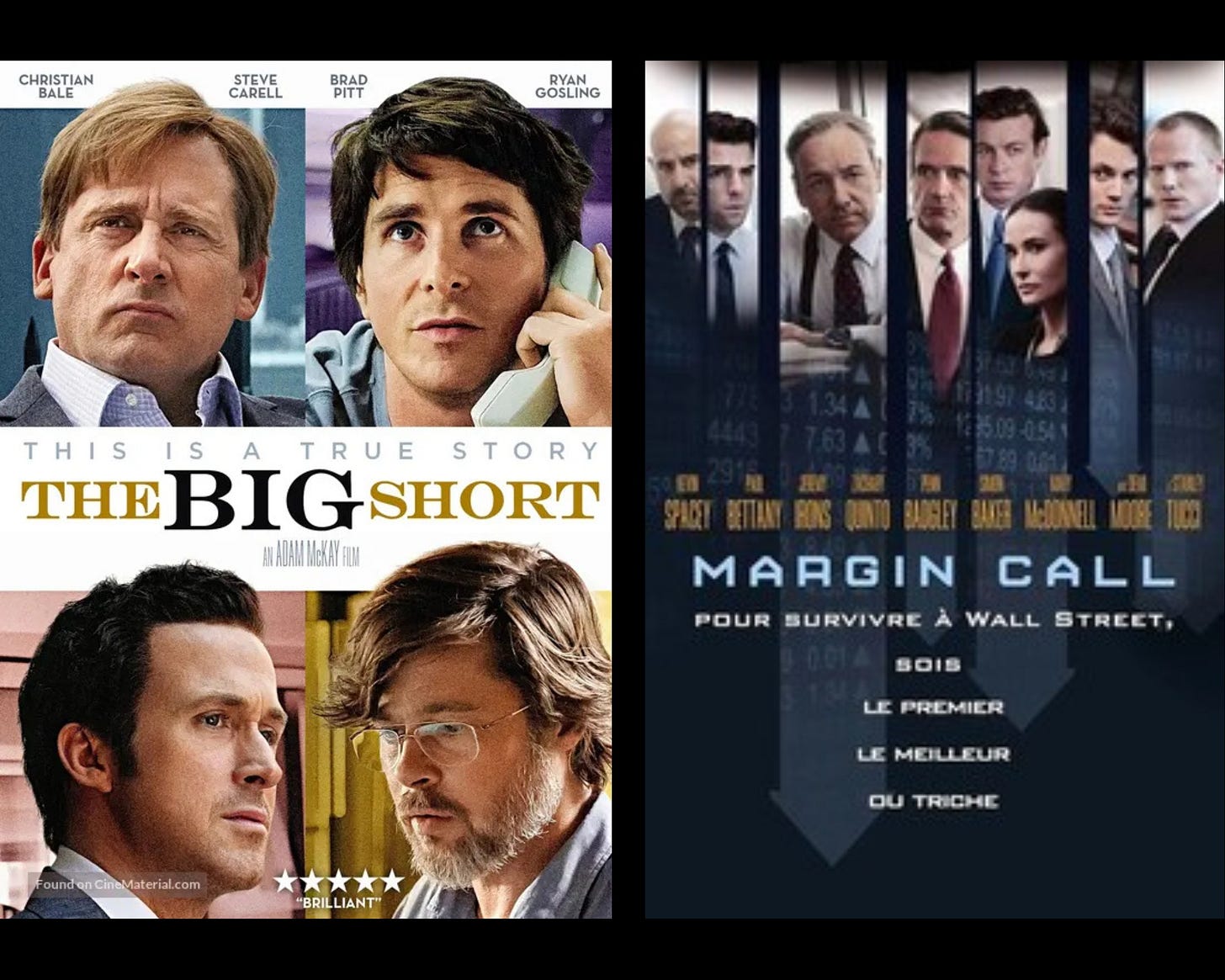
Two films—The Big Short and Margin Call—show us different sides of the same financial tsunami, offering powerful lessons about preparation, foresight, and the consequences of ignoring warning signs.
In a world where experts can't agree if we're facing golden prosperity or economic downfall, these lessons have never been more relevant. How prepared are you to weather whatever storm—or opportunity—might be on the horizon?
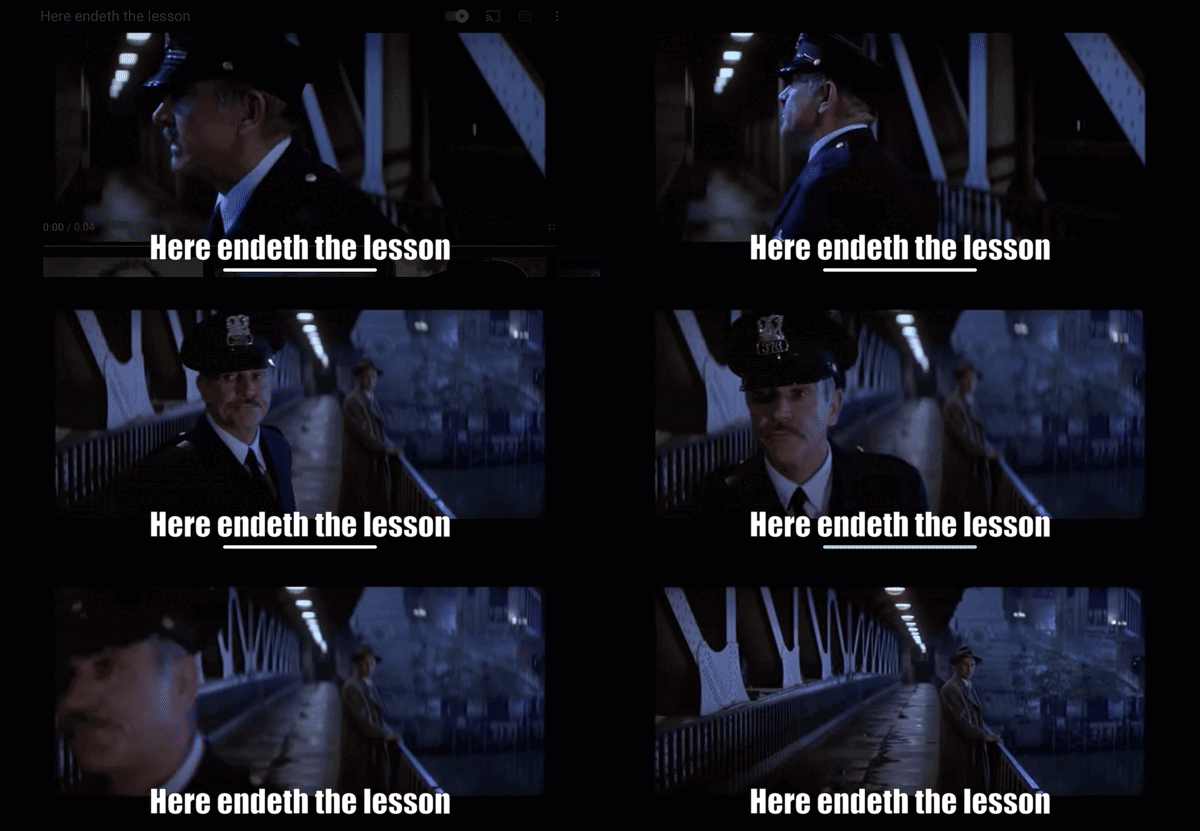
In the movie Spy Game, there's a brilliant exchange between Robert Redford's character and his secretary. Suspicious his CIA bosses may be up to no good, he instructs her to burn certain files if given the word.
"Feeling paranoid on our last day?" she asks.
His response is perfect: "When did Noah build the Ark, Grace? Before the rain. Before the rain."
That line captures the essence of what separated the winners from the losers in 2008. Some built arks. Others drowned. The difference wasn't luck—it was the combination of contrarian thinking and decisive action.
What everyone else said was impossible — they considered as a possibility.
And planned accordingly.
In the zero-sum game of markets, those who thought differently AND had the courage to act on those convictions came out ahead, often at the direct expense of those who followed the herd.
Lesson 1: "When Everyone Zigs, Zag"
In business and in life, the path to exceptional results often means taking the road less traveled. The book and film World War Z offers a fascinating concept called "The Tenth Man" doctrine: After nearly being defeated in the 1973 Yom Kippur War (when Israel failed to anticipate a coordinated attack), they developed a rule stating that if nine people agree on something with absolute certainty, it's the tenth man's responsibility to disagree, no matter how improbable the idea.
In World War Z, this protocol saved Israel when reports of zombies started emerging. While every other government dismissed these as hysteria or infection, Israel's designated "tenth man" had to assume zombies were real—no matter how ridiculous it seemed. This contrarian thinking led them to build massive walls before the outbreak, making Israel one of the few nations prepared when the zombie apocalypse hit.
This is exactly what Michael Burry (played by Christian Bale in The Big Short) did. He became finance's "tenth man." While nine out of ten financial experts saw only prosperity, Burry spent countless hours analyzing mortgage data that everyone else ignored. Like Israel's designated skeptic with the zombie reports, Burry saw what others couldn't—or wouldn't—see.
"The majority is always wrong; the minority is rarely right." – Henrik Ibsen
In business, being the tenth man means having the courage to question consensus when your analysis tells you something different. But contrarian thinking alone isn't enough—it must be paired with action. Burry didn't just identify the housing bubble; he bet against it, putting his reputation and career on the line. It means being willing to look foolish in the short-term, face ridicule from peers, and still have the conviction to act decisively when everyone tells you you're wrong.
Mark Baum's character (based on Steve Eisman and played by Steve Carell) embodies this when he visits Florida to see the housing bubble firsthand. What he discovers—exotic dancers owning multiple homes and mortgage brokers bragging about approving anyone with a pulse—confirms his suspicions that the entire system is built on sand.
When everyone nods in agreement, someone needs to shake their head.
Lesson 2: "Build Your Ark Before the Rain"
The overnight panic in Margin Call contrasts sharply with Burry's years of preparation. The investment bank in Margin Call realizes too late that their mortgage-backed securities are worthless. Their response? A desperate fire sale, dumping toxic assets on unsuspecting buyers before the market realizes the truth.
Consider how different their situation would have been had they followed Redford's advice: "When did Noah build the Ark, Grace? Before the rain. Before the rain."
The difference between preparation and panic is timing. Those who prepare when skies are clear navigate storms with purpose. Those who wait until the downpour scramble for survival, often at the expense of others.
This applies beyond finance. The best businesses don't just respond to crises—they anticipate them. They build cash reserves during boom times. They stress-test their assumptions. They plan for worst-case scenarios while hoping for the best.
Tomorrow's survival depends on today's unlikely questions.
Lesson 3: "Crisis Reveals; It Doesn't Create"
Perhaps the most profound lesson from both films is that financial crises don't create weaknesses—they reveal them. The 2008 collapse exposed fundamental flaws in the system that were always there: excessive leverage, misaligned incentives, and willful blindness.
As Warren Buffett famously said, "Only when the tide goes out do you discover who's been swimming naked."
In The Big Short, we see this play out as one institution after another falls victim to their own short-sightedness. In Margin Call, Jeremy Irons' character (the bank's CEO) cynically summarizes the cyclical nature of these revelations: "It's just money; it's made up. Pieces of paper with pictures on them, so we don't have to kill each other just to get something to eat."
The same principle applies to individual businesses. Market downturns don't typically destroy healthy companies—they expose those that were already vulnerable. Companies with solid fundamentals, reasonable debt, and authentic value propositions weather storms that sweep away businesses built on hype, excessive leverage, or flawed models.
What breaks in storm was already cracked in calm.
Transgression: "When Ethics Become Expenses"
Both films show us what happens when survival trumps principles. In Margin Call, we witness the bank knowingly selling worthless assets to longtime clients to save themselves. As Kevin Spacey's character laments, they're destroying relationships built over decades in a single day.
Jeremy Irons delivers the chilling rationalization: "There are three ways to make a living in this business: be first, be smarter, or cheat."
The bank chooses to be first—but at what cost? The film doesn't show us the aftermath, but we know the real-world consequences: collapsed trust, damaged reputations, and a financial system that required massive government intervention to avoid complete meltdown.
The lesson? When preserving the system becomes more important than the principles it was built on, both eventually fail. Short-term survival at the expense of long-term integrity doesn't just postpone the inevitable—it transforms it into something far worse: extinction accompanied by lasting disgrace. Just ask Lehman Brothers, whose 158-year legacy is now remembered solely for its catastrophic collapse, or Bernie Madoff, whose legitimate accomplishments were entirely erased by his fraudulent scheme.
The films themselves serve as cautionary tales about organizations that became cautionary tales—a meta-reminder of what happens when ethics become expendable.
Survival without principles isn't preservation—it's transformation into cautionary tale.
Bringing It All Together
These films teach us that true business wisdom often means going against the crowd, preparing for downturns during booms, and maintaining ethical clarity even when facing extinction.
The next time you find yourself nodding along with consensus, be the tenth man. When markets are soaring, remember to build your ark. And when faced with ethical compromises in the name of survival, ask yourself whether survival on those terms is worth the price.
Because as both films ultimately show us, the rain always comes eventually. The only question is whether you've built your ark in time.
Your Challenge: The Personal Ark-Building Test
This week, I challenge you to take the "Ark-Building Test" in one area of your life or business:
Identify your assumptions: What one major assumption are you making about your business, career, or finances that everyone else seems to share?
Play the tenth man: Force yourself to seriously consider what would happen if that assumption proved completely wrong.
Take one concrete action: Build one small part of your "ark" this week—whether that's setting aside emergency funds, diversifying your skills, or stress-testing your business model.
Share your experience in the comments: What assumption did you challenge, and what step did you take to prepare for a future that might look different than the consensus expects?
Series NoteThis exploration of financial foresight is just the first in our Movie Life Lessons series, where we'll be mining cinema's greatest hits for actionable wisdom. While today we focused on BUSINESS through The Big Short and Margin Call, future installments will illuminate other vital areas of life—from LOVE and LOYALTY to COURAGE and PREPARATION. By organizing these film studies thematically, we're creating a practical toolkit of strategies for life's biggest challenges. Each pairing is carefully selected to highlight both the triumph of following these principles and the consequences of ignoring them. Because sometimes the most profound lessons about navigating our real-world struggles come wrapped in the stories we watch together in the dark.
Like what you see? Become a paying subscriber and get even more exclusive Movie Life Lessons — because your story deserves a great ending.