There's a story about Warren Buffett taking over Salomon Brothers in the eighties, following a scandal in the bond trading department. The firm had been caught submitting false bids in Treasury auctions—massive fraud that threatened to destroy one of Wall Street's most powerful institutions.
Buffett was brought in as both a shrewd economic businessman and someone who genuinely seemed to conduct himself according to his principles. He was a value investor who understood how to save money, but more importantly, he had a reputation for integrity that Wall Street desperately needed to see.
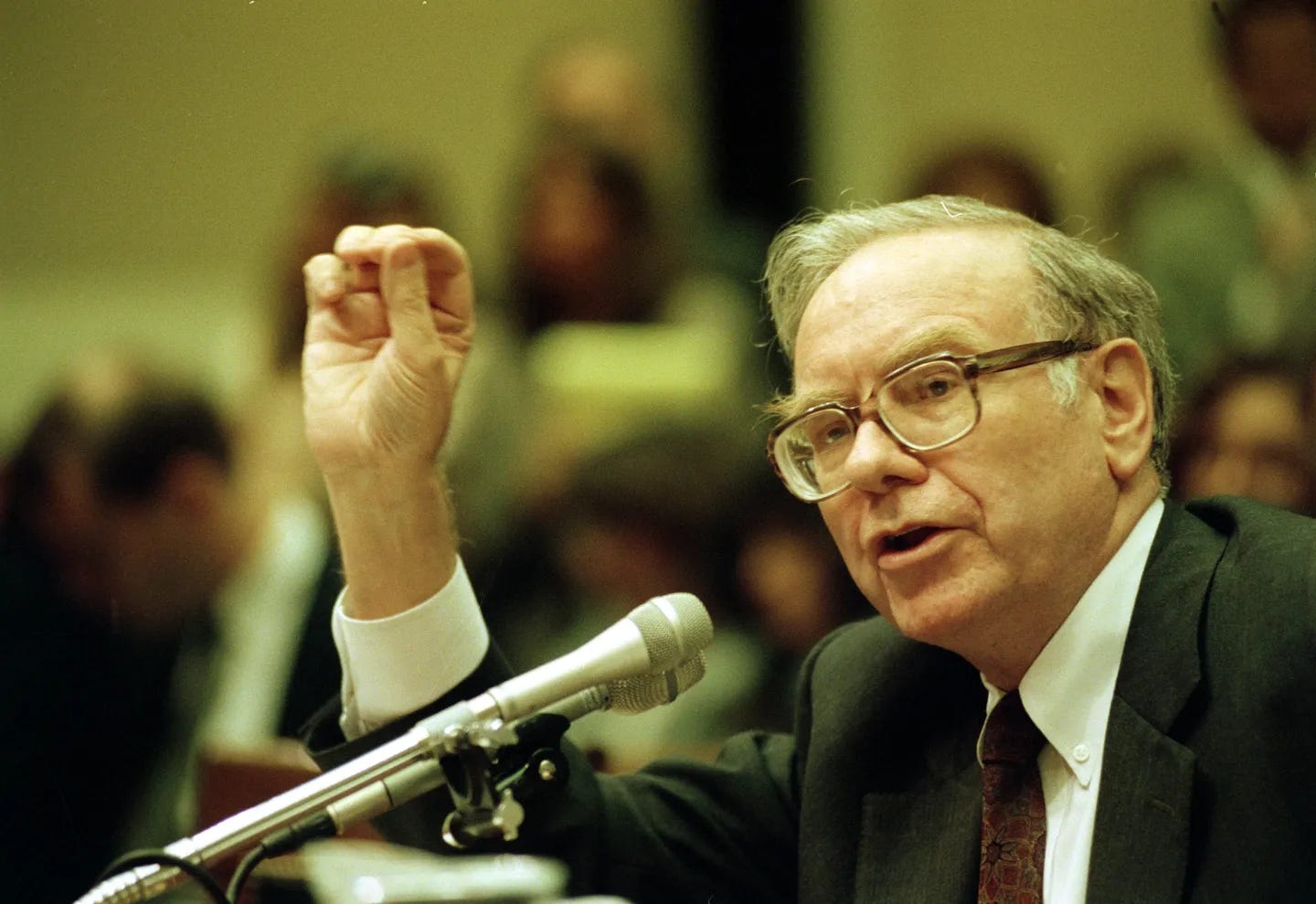
Every day, traders came to him with questions. Could they make this trade? Was this behavior acceptable? Did it skirt the new restrictions? Buffett grew tired of the constant ethical consultations.
So he issued a company-wide edict:
"Before you do anything, ask yourself: Would you be comfortable if this appeared as a headline in The New York Times tomorrow morning? Something your friends, family, and mother would read? If the answer is no, don't do it."
Brilliant advice. Simple wisdom that cuts through all the noise.
But here's what happened just this week: Jimmy Kimmel did exactly what Buffett warned against—except worse. He broadcast comments to millions on national television that any decent person wouldn't want attributed to them in print.
The result? ABC pulled his show indefinitely.
The fascinating part isn't that Kimmel faced consequences—it's how he and his defenders immediately attempted to turn this into a free speech issue, in the process proving they fundamental misunderstand the statute, both in the actual letter of the law, and the principle of the First Amendment.
We're forty years removed from Buffett's moment, and every day I watch people willingly, gleefully behaving in ways that would embarrass their families. It's not hidden on some back page—it's blasted across social media where everyone they know can see it.
The problem? Half these people's spouses and mothers are doing the same thing.
What happened to shame as a social regulator? And can we get it back?
In this piece, I explore:
Why the Kimmel controversy reveals our abandoned moral standards
How social media turned us all into road-ragers
The simple "parental test" I use for my own behavior
Why shame isn't a relic—it's a compass.
My yardstick isn't the New York Times test. It's simpler: If my kids did this thing, would I be upset with them? If I wouldn't want them copying my behavior, I shouldn't be doing it.
READ THE FULL POST → Elice Island Ent
PS: THE KINGMAKER, the 5th novel in the Amazon best selling Eddie Ankin Crime Thrillers releases in ebook on September 30, 2025.
Get your copy now.